Skip to main content

Why art matters for children: how it builds creativity, confidence, fine motor skills, focus and emotional well-being, and how it supports development at every age.
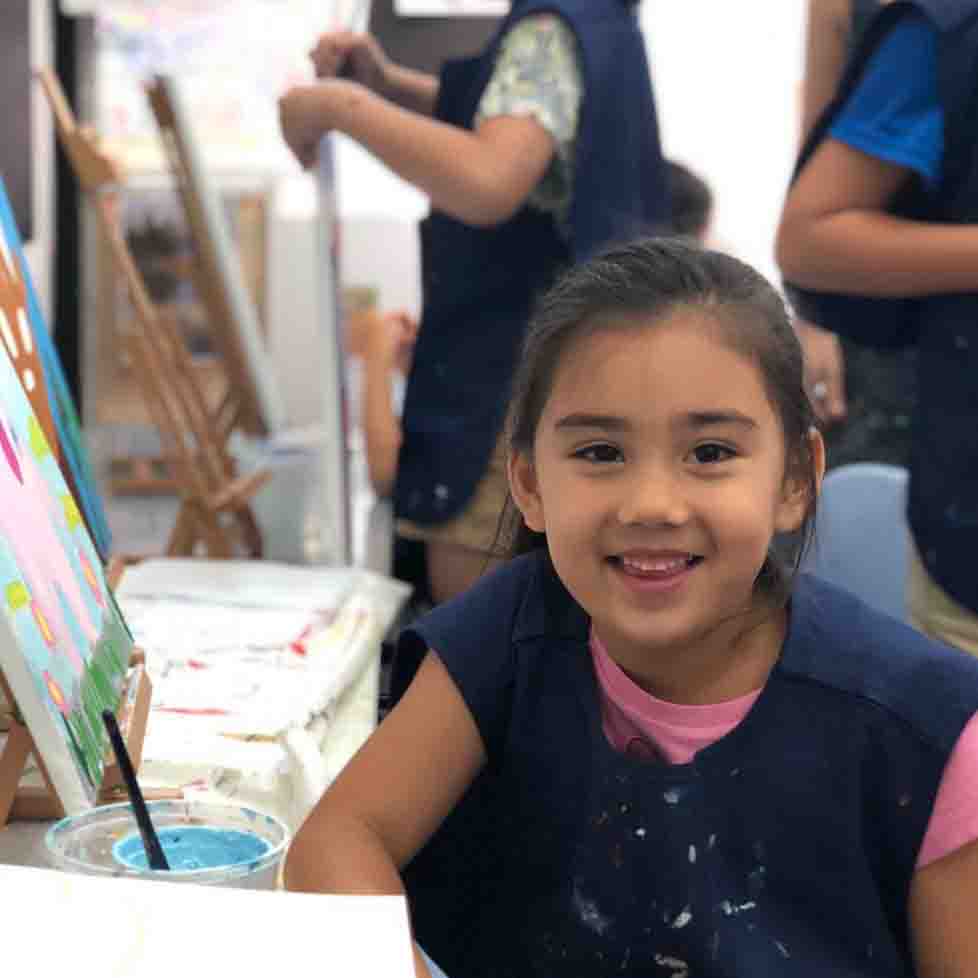
Ask any parent who has watched their child disappear into a drawing and they already sense it: art is doing something. Beyond the fridge-door masterpieces, art is one of the richest ways a child grows, shaping how they think, feel, move and see the world. Here is why art matters so much in childhood, and what it keeps building long after the paint has dried.
Children are wired to make. Long before they can write a sentence, they can tell a whole story in scribbles. Art meets them exactly where they are: it asks for no single right answer, rewards experiment over correctness, and lets a child put something that is entirely theirs into the world. That freedom is not a frill. It is the ground that confidence, problem-solving and self-expression grow from.
The benefits reach across almost every area of a child's development.
Art is where children practise having ideas and following them through. Choosing what to make, how to make it, and what to do when it does not go to plan is creative thinking in its purest form, and it carries over into everything from writing to science. It is also why art is the crucial A in STEAM education.
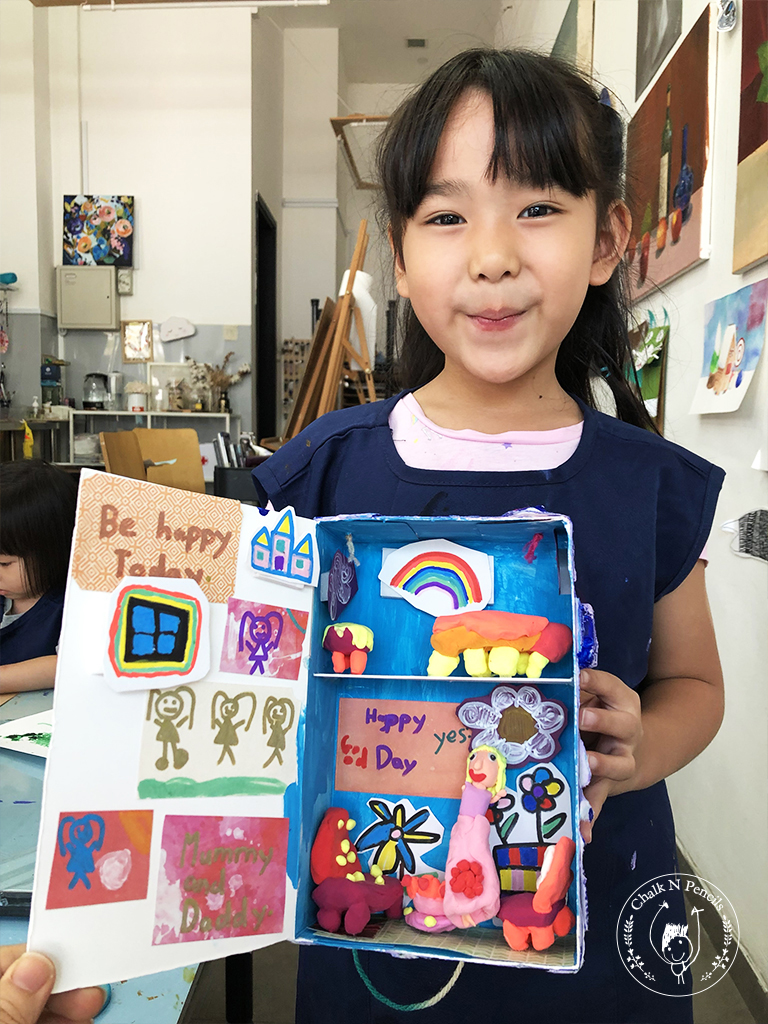
Holding a brush, pressing a crayon, cutting, sticking and moulding all build the small muscles in the hand. These are the same muscles a child later relies on to write, and art gives them a joyful reason to strengthen them.
When a child makes something and sees it valued, they learn that their ideas matter. Art gives quieter children a voice that does not depend on words, and lets every child take a small, safe risk and watch it pay off.

Few activities hold a young child's attention like making something they care about. Art builds the habit of staying with a task, tolerating the messy middle, and seeing it through to the end.
Art is a release valve. Colour, mark-making and the rhythm of painting help children process big feelings they cannot yet put into words, and the quiet focus of making is genuinely soothing.
Every artwork is a string of small decisions: what goes where, which colour, how to rescue a mistake. Children learn cause and effect, planning and adaptation, all while they think they are simply playing. We unpack this in our guide to how art builds critical thinking in children.
Making art alongside others teaches sharing, turn-taking and talking about work, both their own and other people's. It is collaboration and empathy, quietly practised.
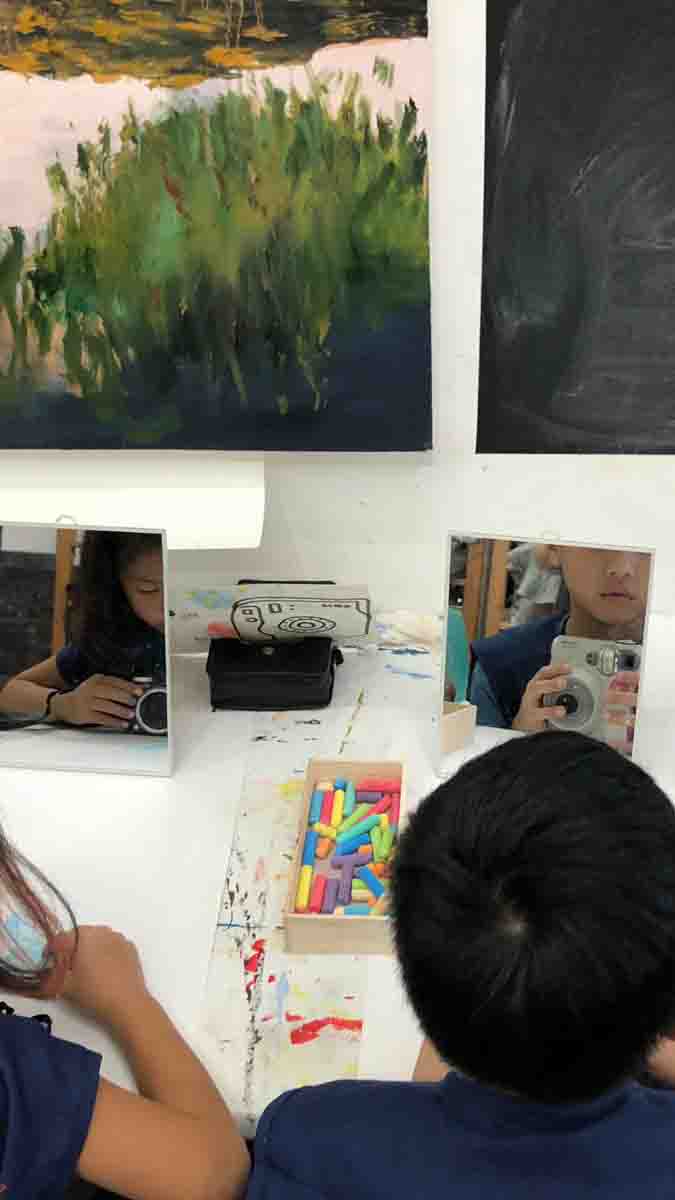
What art gives a child shifts as they grow. For toddlers it is sensory and exploratory, all squashing, scribbling and discovery (more on that in our guide to the benefits of art for toddlers). Preschoolers begin making recognisable things and telling stories with them. Older children develop real skill and a personal style, and start to care about getting an idea exactly right. Matching the activity to the stage is why our classes are grouped by age.
You do not need a studio to give your child these benefits. Offer open-ended materials, focus on the process rather than the finished product, and resist the urge to correct. The goal is enjoyment and expression, not a perfect result. We work the same way in our children's art classes: we teach real skills, but we never drill the imagination out of a child.
Our children's art classes turn these benefits into a weekly habit, in small age-grouped sessions that put expression first. See how a term is structured.
Art supports development right across the board, from fine motor skills and language to confidence, focus and emotional regulation. Because it engages a child's whole self at once, it is one of the most efficient ways for them to grow.
It strengthens the hand muscles used for writing, builds the habit of having and following ideas, gives feelings a safe outlet, and teaches planning and problem-solving, all while a child is simply enjoying themselves.
As soon as they can safely hold a crayon or squash a piece of clay, usually around 18 months to two years. The activity should match the stage, which is why age-grouped classes work well.
Not at all. The benefits come from the doing, not from the result. Every child gains from making art, wherever they start.