Skip to main content

Give a child a lump of clay and they are absorbed within minutes. Why it is so good for them, easy projects to try at home, and what kids can make by age.

Give a child a lump of clay and something happens almost at once. They squeeze it, poke it, roll it, and within minutes they are completely absorbed. That instinctive, hands-on play is exactly why we love clay at Chalk N Pencils, and why a clay project finds its way into every term and our holiday camps.
Clay is one of the most forgiving materials a child can work with. There is no single right answer and nothing to get wrong. A lopsided blob can become a sleeping cat; a flattened ball can become a pizza. That freedom to change their mind halfway through is where real creative confidence grows.
It is also calming. The slow, repetitive motions of rolling and smoothing settle a busy mind, and many children who find a blank page intimidating will happily lose themselves in clay for an hour. For little hands, the squeezing and pinching quietly builds the fine-motor strength they will later use to hold a pencil and write.
The skills clay builds travel well past the studio:
What a child gets from clay shifts as they grow, so it helps to match the project to the stage:
This is exactly why we group our classes by age, so every child works at the right level rather than to a single template.
Rather than handing children a model to copy, we start with a technique or an idea and let them take it somewhere of their own. One child's handful becomes a nest, another's becomes a volcano. Our teachers guide the skill, not the outcome, so the work stays genuinely theirs. Every term includes a clay project in our children's art classes, and our holiday camps run dedicated clay days where children can go further.
You do not need any special equipment to keep it going between classes. A little air-dry clay on the kitchen table is plenty.
Both wash off hands and tables easily while soft, so they are a far gentler option for home than the messier alternatives.
A few simple ideas to get started:
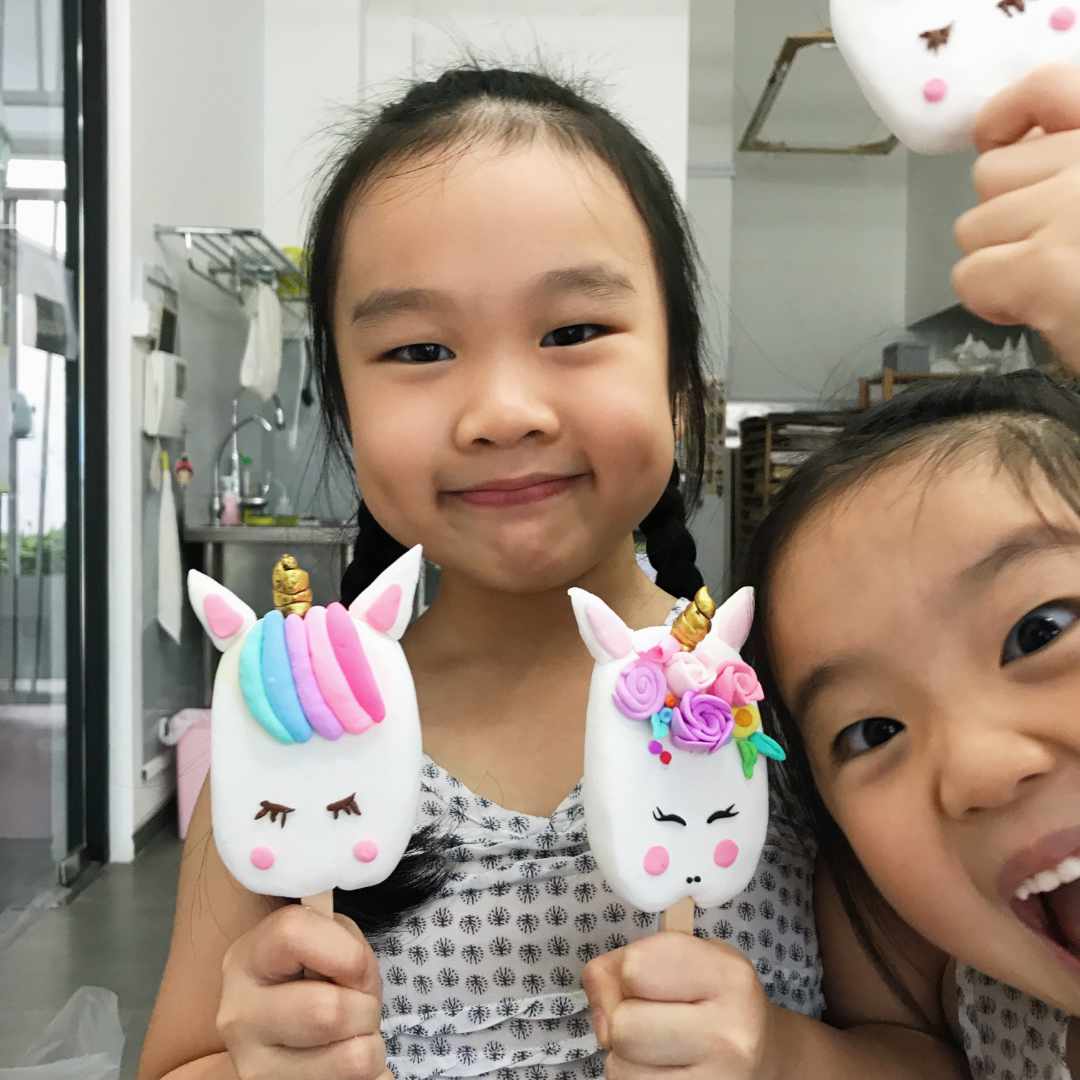
Lay down a board or placemat, keep the tools simple (a butter knife and a rolling pin go a long way), and let your child lead. Supervise the younger ones, since not every clay is safe to taste, and resist the urge to fix things for them. A slightly lopsided creature they made themselves is worth far more than a neat one you made for them.
Our weekly children's classes work clay, painting, drawing and mixed media into every term, in small age-grouped sessions. Take a look at how the classes run.
From around three, with supervision. Younger children enjoy the sensory side of squashing and rolling; older ones move on to shaping and detail. Our age-grouped classes pitch each clay project to the right stage.
Keep it in an airtight container or sealed bag so it does not dry out, and leave finished air-dry pieces somewhere safe while they harden, which usually takes a day or two.
Yes, and we encourage it. Children can paint air-dry pieces once they are hard, add beads or fabric, or make a clay element for a larger mixed-media artwork.
A damp cloth handles most of it. Wipe tools and surfaces while the clay is still soft, and have everyone wash their hands well once they are done.